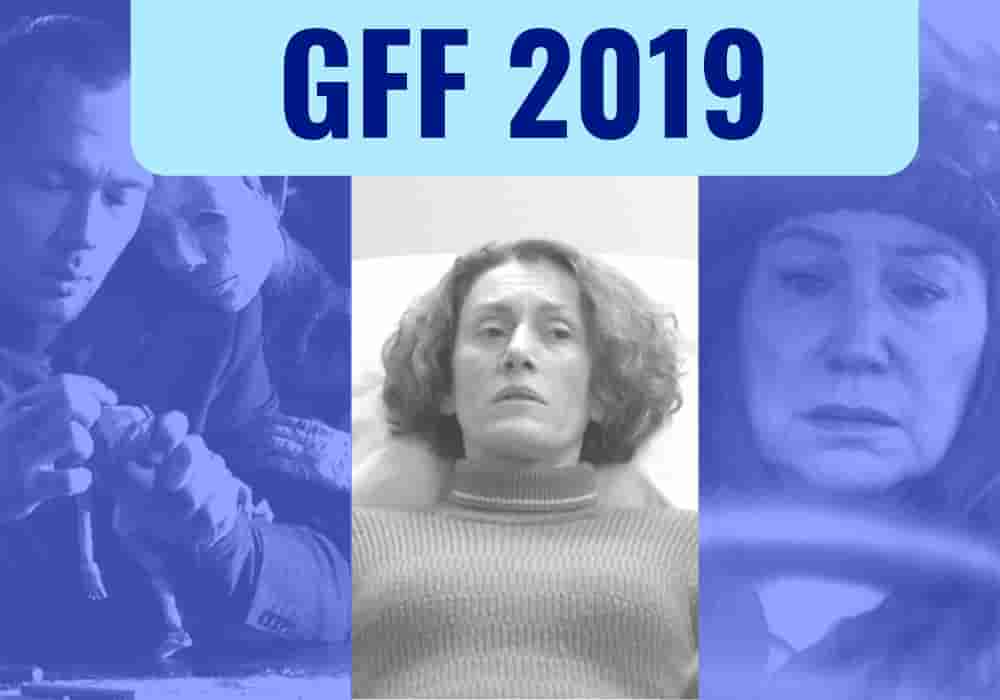
Orla wraps up her time at the 2019 Glasgow Film Festival by spotlighting three of the best films that screened there: Diane, Pause, and We are the weirdos. Discovering great films at a smaller film festival is a harder but far more satisfying experience than it is at a larger one. There’s a lot to […]
Directed by Women
Explore films by directors who identify as women.
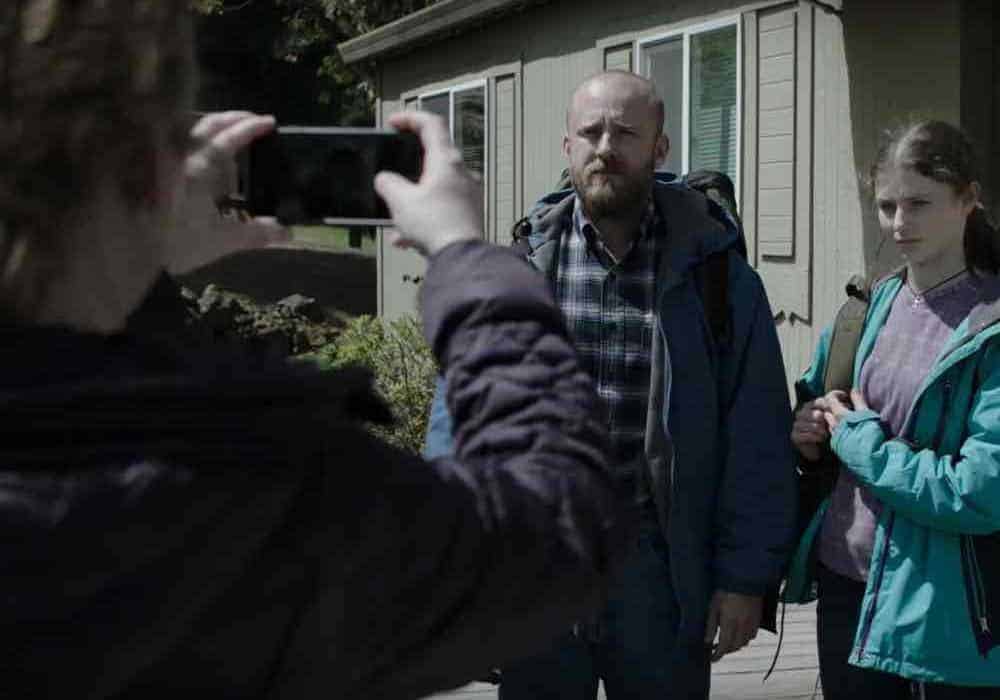
Debra Granik frames poverty as a systemic failure to empathize
Debra Granik’s films — Down to the Bone, Stray Dog, and Leave No Trace — focus on individuals who struggle to navigate an unfriendly social support system in an attempt to get help. This is the fourth piece in our Special Issue on Debra Granik’s Leave No Trace, which is now available as an ebook.
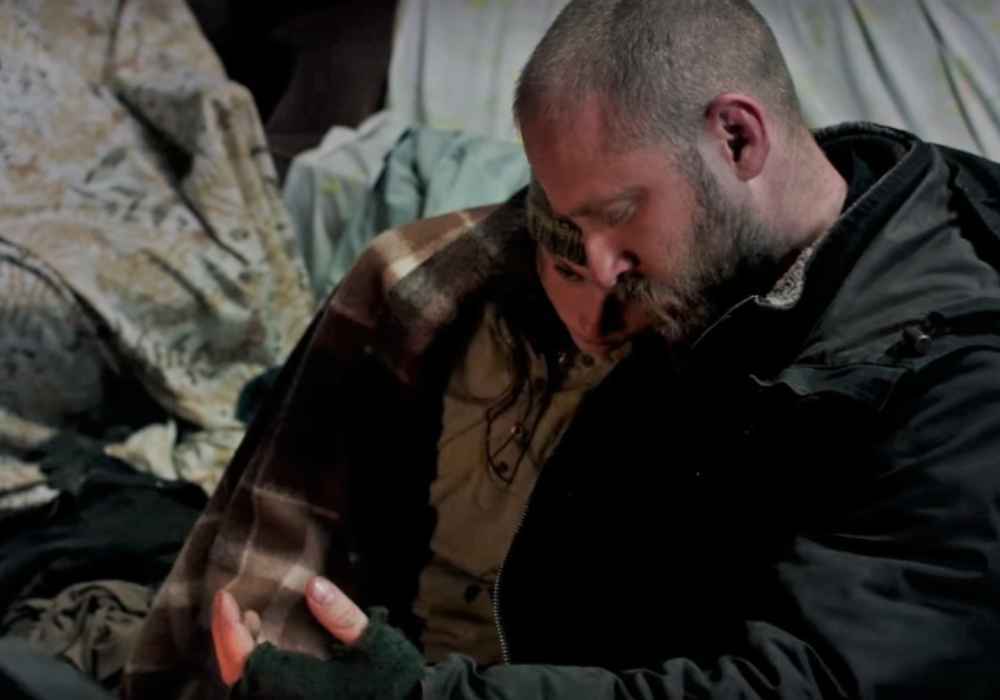
Growing up and growing apart: Coming of age in Leave No Trace
In this essay, Gillie Collins explores how Leave No Trace uses the unusual story of a father and daughter living in the woods to tell the classic coming of age narrative of parent-child separation. This is the third article in our Special Issue on Leave No Trace, which is now available as an ebook.
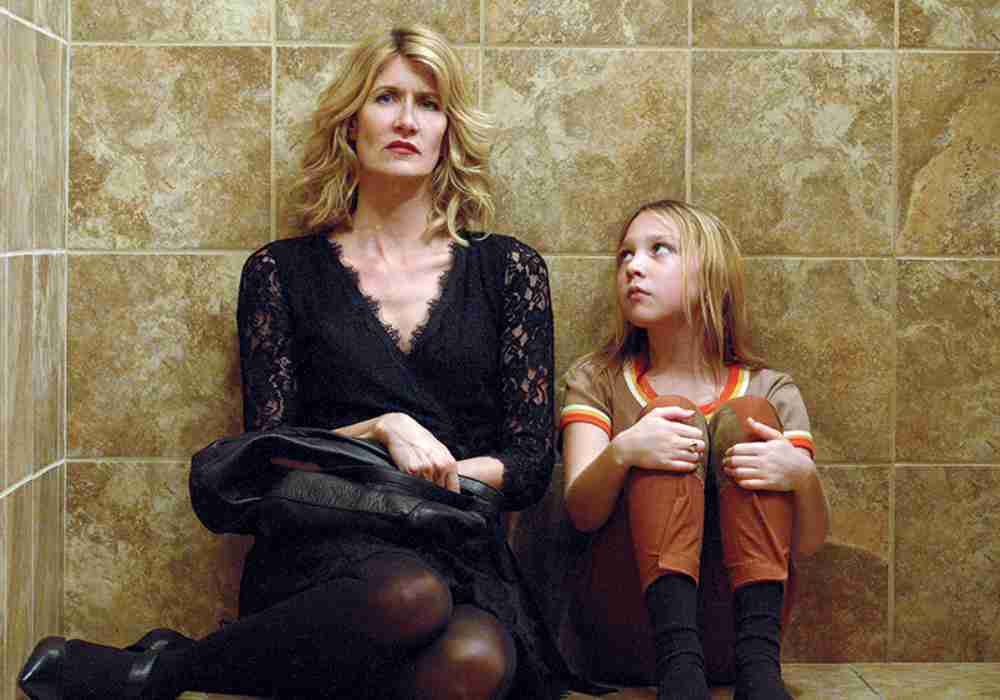
The Tale: Comfortable stories mask uncomfortable truths
In The Tale, the semi-autobiographical narrative debut from Jennifer Fox, the character Jennifer’s process of sifting through and revisiting past memories is one of writing and rewriting, and that’s baked into the film’s grammar.
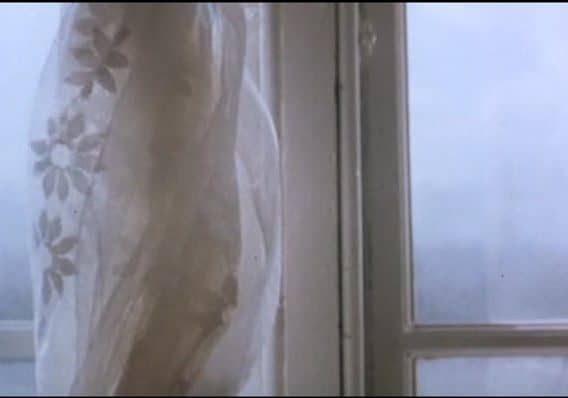
Ramsay’s characters escape trauma through sensations
Lynne Ramsay’s features centre on characters dealing with trauma by losing themselves in sensations, not language. This is an excerpt from our ebook You Were Never Really Here: A Special Issue, which can be purchased here.
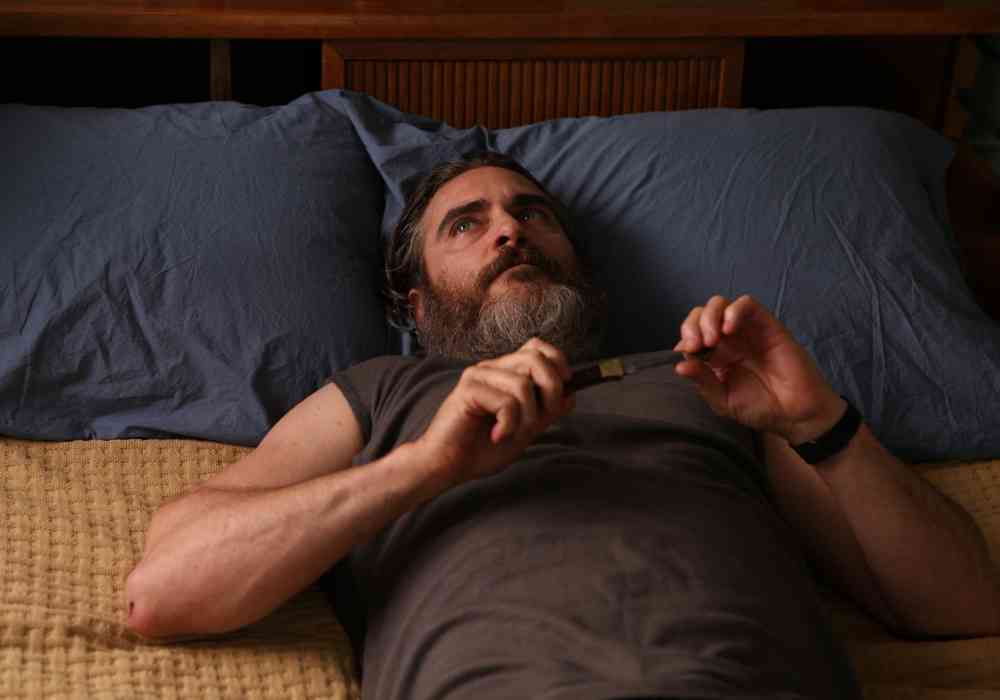
A hitman more helpless than heroic
You Were Never Really Here traps us inside hitman Joe’s mind — but he’s an unreliable narrator who is far more helpless than he realises. This is the sixth feature in our Special Issue on You Were Never Really Here.